


 Veterinary care
 Ways to get care
 Visit information
 Pet wellness plans
 Virtual petcare
 Pet Chat™ information
 Locations
 MyBanfield
 Shop packages now
 Request information
 Package FAQs
 NEW! Banfield Access Plan
 Pet health articles
 Puppy care
 Kitten care
 Senior care
 Dental care
 Diet and nutrition
 Ear care
 Parasites
 Fleas
Fleas Ticks
Ticks Mites and mange
 Worms
Worms Skin and coat care
 Mobility
 First aid
 Vaccinations
 End of life care
 Podcast - Not Just Fluff
 Traveling with your pet
 Video vault
 About us
 Contact us
 Newsroom
 Our leadership
 Shop
Shop
 Locations/appointments

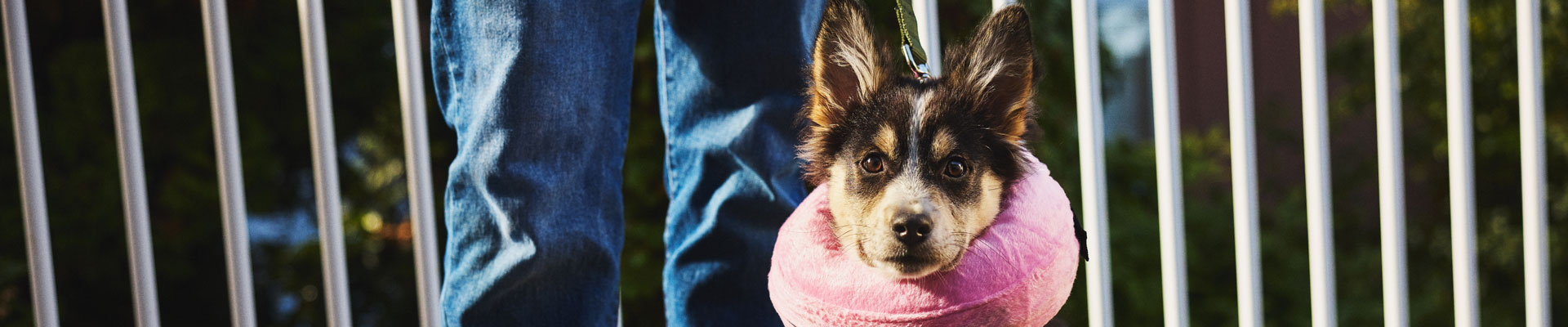


when’s the right time to spay or neuter your puppy?
It’s one of the most common questions new puppy owners ask, and for good reason. Deciding when to spay or neuter your puppy is a big part of setting them up for a healthy future.
Spaying (for female dogs) and neutering (for male dogs) are routine surgeries that prevent reproduction by removing the reproductive organs. They’re among the most common procedures performed in veterinary medicine. Beyond preventing pet overpopulation, these surgeries can help reduce certain health risks and hormone-driven behaviors later in life.
Every puppy is different, and the best timing depends on your dog’s breed, size, and health. That’s why your Banfield veterinarian is the best person to guide you through the decision.
Schedule a consultation with your vet to discuss the best timing and plan for your puppy’s procedure.

Is spaying or neutering safe? The benefits and risks
Spaying and neutering are considered very routine procedures. Most puppies recover quickly and may go on to enjoy all the long-term health and behavioral benefits from these surgeries.
The benefits:
- Health protection: Spaying helps prevent uterine infections (like pyometra) and dramatically reduces the risk of mammary tumors. Neutering eliminates the risk of testicular cancer and lowers the chance of prostate issues later in life. Discuss the health benefits for your specific pet with your vet.
- Behavioral balance: Many hormone-driven behaviors — such as marking, roaming, or mounting — can decrease after surgery.
- Community care: Reducing unwanted pets helps prevent pet overpopulation.
The surgical risks (and why they’re small):
Like any surgery, spaying and neutering involve anesthesia. For healthy puppies, complications are rare. Our veterinary teams use modern anesthesia monitoring and pain management to help keep your pup safe and comfortable from start to finish.
Mild post-surgery issues like temporary grogginess or slight swelling are common and usually resolve quickly. In rare cases, long-term effects may be present, which you can discuss with your vet. Puppies may also need adjustments to their feeding routine to maintain a healthy weight.
Your veterinary team will walk you through every step — from pre-op prep to recovery at home — so you can feel confident about the process.
The key question: When is the best age to spay or neuter?
The best timing depends on your dog’s breed, size, and health. In general, average or small-sized puppies are spayed or neutered between 5 and 6 months old, before their first heat or before sexual maturity. Ask your veterinary team to weigh in on the best timing for your pup.

For small and medium breeds:

For large and giant breeds:
What about shelter puppies?
Many shelters and rescues perform earlier spay or neuter procedures for population control. This is safe under professional supervision and helps prevent unwanted pets, especially before adoption.
Since every puppy grows at their own pace, the best way to decide on timing is to talk to your veterinarian. They can guide you based on breed and lifestyle.
A puppy owner’s guide to surgery and recovery
Before surgery:
Your veterinary team will give you clear pre-surgery instructions. They will advise you if your furry pal needs to fast overnight before the procedure. Make sure your puppy gets plenty of rest and calm play the day before. It’s normal to feel a little nervous, but remember that spay and neuter surgeries are among the most common veterinary procedures.
What happens on surgery day:
Spaying removes the ovaries and usually the uterus in females, while neutering removes the testicles in males. Both are done under general anesthesia, and your puppy is closely monitored for comfort and safety. Most puppies go home the same day, a bit sleepy but already on the road to recovery.
After surgery: the first 24–48 hours:
You might notice your puppy seeming groggy, tired, or uninterested in food, which is normal. Offer a quiet, cozy space away from stairs or active pets, and follow your vet’s instructions for any pain medication and monitoring. Keep the incision area clean and dry.
Supporting your puppy’s 10-day recovery:

- Prevent licking or chewing the incision. Cones and recovery suits (soft, full-body garments) can help.
- Limit jumping, running, or rough play until your vet gives the all-clear.
- Short, leashed potty breaks are best during this period.
- Check the incision daily. It should look clean and slightly pink, not red, swollen, or oozing.
If you notice anything unusual like excessive redness, bleeding, or your puppy seeming in pain, contact your vet right away.
Tip: Spay or neuter procedures are included in our Early Care Plus Optimum Wellness Plans®, along with unlimited office visits and 24/7 Pet Chat™ (available in most states). Browse our puppy Optimum Wellness Plans
Life after surgery: What to expect for your growing dog
Behavior and temperament:
Spaying or neutering doesn’t change who your puppy is, but it can help reduce behaviors tied to hormones, such as marking, roaming, and mounting. (Mounting can also be play and may continue after.) Your furry friend’s playful energy and personality will remain the same. Training, socialization, and routine still shape behavior far more than hormones.
Myth-busting moment:
Some owners worry their dog will become “lazy” or “sad” after surgery. In reality, most puppies bounce back quickly once healed, often within a week or two, and enjoy the same activities as before. While spaying or neutering can help reduce hormone-driven behaviors, it won’t automatically fix training or obedience issues. Those still take time, consistency, and patience.
Weight management and nutrition:
After surgery, your puppy’s metabolism may slow slightly. This means they could need slightly fewer calories to maintain a healthy weight.
Try these tips:
- Measure food rather than guessing.
- Keep daily walks and playtime consistent.
- Talk with your vet about adjusting feeding amounts or switching food.
Important Notice: The information provided on this page is for informational purposes only and is not a substitute for professional veterinary advice. Always consult a veterinarian with any questions regarding your pet's health or medical condition. Never disregard or delay seeking professional veterinary advice based on information from this page.
FAQs about spaying or neutering a puppy
What is removed during a spay versus a neuter?
A spay typically removes a female dog’s ovaries and uterus, preventing heat cycles and pregnancy. A neuter removes a male dog’s testicles, which prevents reproduction and reduces hormone-driven behaviors like marking or roaming.
Should I wait to neuter a large breed puppy?
Large and giant breeds grow more slowly, and hormones play a role in closing their growth plates. Many vets recommend waiting until 12–18 months for these breeds to support proper bone and joint development. Waiting may also protect against certain cancers, but the research is ongoing. Always discuss timing with your veterinarian.
What are dog growth plates, and how does neutering affect them?
Growth plates are the soft areas of developing bone near the ends of long bones. Hormones help them harden, or “close,” as your puppy matures. Early neutering may keep them open longer, which can slightly affect bone structure in large breeds.
Why are shelter puppies spayed so young?
Many shelters spay and neuter puppies as early as 8 weeks old to help prevent overpopulation. These early-age procedures are performed by trained veterinarians and are considered safe for healthy puppies.
How does neutering affect a puppy’s metabolism?
Metabolism tends to slow a little after surgery, so puppies may need fewer calories. Regular exercise and portion control help maintain a healthy weight.
Can spaying my puppy cause urinary incontinence later?
In rare cases, some spayed females, especially larger breeds, may develop mild urinary incontinence later in life. It’s uncommon and can often be managed with medication if it occurs.
Is recovery harder for a spay or a neuter?
Spays are more involved because they’re abdominal surgeries. Recovery may take a few extra days compared to routine neuters. Still, both procedures are routine, and most puppies recover quickly with proper rest and care.
What is a recovery suit for dogs?
A recovery suit is a soft, snug garment that covers your dog’s incision to prevent licking or scratching.
Is a recovery suit better than a cone after spaying?
We recommend a cone, but a recovery suit can work for dogs who won’t tolerate a cone. They can be used together for pets that need additional protection. Your vet can help you choose what’s best for your dog.
What should I feed my puppy the first day after surgery?
Start with a small meal once your puppy is fully awake and alert. Their appetite may be reduced at first, which is normal. Offer plenty of water and resume normal feeding the next day if they’re feeling better.
Are there orthopedic risks to early neutering?
For large breeds, neutering too early can increase the risk of joint issues like hip or knee problems later in life. This is why timing the procedure with your vet’s guidance is so important.
Ready to talk about a plan for your puppy?
Whether you’re preparing for surgery or just starting to think about timing, a conversation with your vet can help you feel confident and supported every step of the way.


Early Care
Designed for growing puppies.
Help protect your puppy from harmful diseases and support their health as they grow.
See what's included
Early Care Plus
Designed for growing puppies – includes a spay or neuter surgery.
All the services in Early Care, plus an additional discount and a spay or neuter procedure.
See what's included


doggie dilemma? cat conundrum?!


 Pet Chat™


 Appointment details


 Pittsburgh Village East
 847-816-4667


 Notes for the vet

 This is a note for users pertaining to specific appointment types, requests, requirements, or other items.