


 Veterinary care
 Ways to get care
 Visit information
 Pet wellness plans
 Virtual petcare
 Pet Chat™ information
 Locations
 MyBanfield
 Shop packages now
 Request information
 Package FAQs
 NEW! Banfield Access Plan
 Pet health articles
 Puppy care
 Kitten care
 Senior care
 Dental care
 Diet and nutrition
 Ear care
 Parasites
 Fleas
Fleas Ticks
Ticks Mites and mange
 Worms
Worms Skin and coat care
 Mobility
 First aid
 Vaccinations
 End of life care
 Podcast - Not Just Fluff
 Traveling with your pet
 Video vault
 About us
 Contact us
 Newsroom
 Our leadership
 Shop
Shop
 Locations/appointments



why is my puppy scooting their bottom on the floor?
If you’ve noticed your puppy dragging their bottom across the carpet or grass, don’t panic. It’s a lot more common than you think! Scooting is your puppy’s way of saying something doesn’t feel quite right back there. Most of the time, it’s caused by a minor issue like irritation, full anal glands, or a bit of leftover stool — and it’s easily treatable.
Still, frequent scooting or signs of discomfort are worth paying attention to. It's your puppy’s natural response to discomfort, and they’re simply trying to relieve an itch or pressure they can’t reach.
If your puppy is scooting more than once in a while, or seems uncomfortable, we’re here to help. Get peace of mind with our Optimum Wellness Plans® for puppies that include unlimited office visits. Explore puppy plans

What causes scooting in puppies?
Several things can make your puppy scoot. Understanding the “why” can help you decide when it’s something you can manage at home, and when it’s time to call your veterinarian.
Full or impacted anal glands
Dogs have two small glands on either side of their rear that normally empty when they poop. If they don’t drain properly, the glands can become full or irritated, and scooting can help relieve the pressure. You may also notice their rectum is swollen or red or there’s abnormal discharge or even blood — all signs that the glands need attention. If this happens, your vet can help, and with a Banfield Access Plan™, you can add anal gland expression services for extra peace of mind and comfort for your pup. See what the Banfield Access Plan is all about
Intestinal parasites (especially tapeworms)
Tapeworms are one of the most common culprits behind puppy scooting. If your puppy has them, you might see tiny white segments that look like rice grains around their rear or in their stool. These parasites can cause itching, irritation, and even digestive upset.
Skin irritation or matted fur
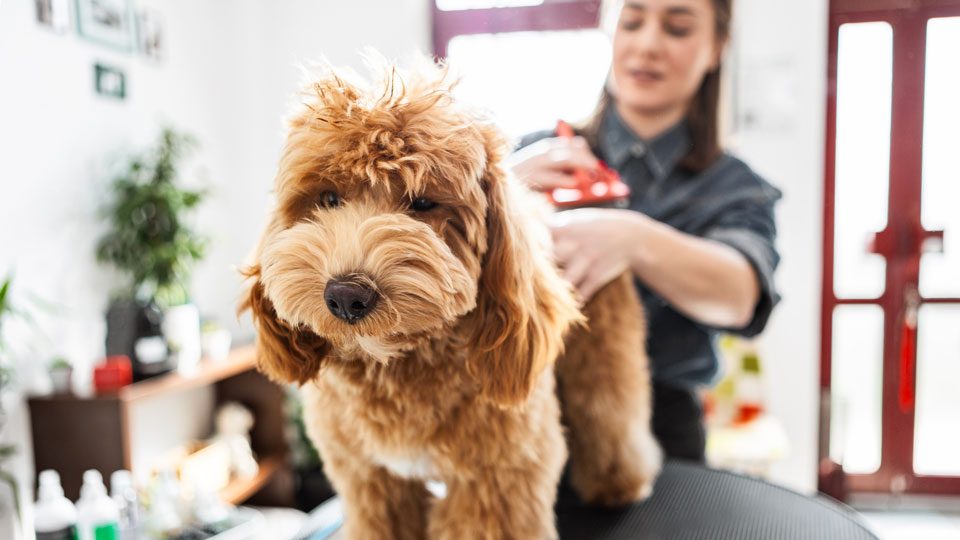
Puppies with long fur are prone to getting bits of dried stool or tangled fur near their bottom, which can make sitting uncomfortable. Although it's rarer, short-haired puppies can experience it too!
Grooming-related irritation
If your puppy has been recently groomed, clipper burn or sensitivity to products like shampoos can cause temporary itching or inflammation. This usually resolves within a few days but can be helped with some gentle cleaning and soothing care.
Food allergies or sensitivities
Some puppies develop allergies or intolerances that cause inflammation around the skin or digestive system. If scooting happens alongside paw licking, ear infections, or frequent skin flare-ups, allergies might be a factor.
Loose stool or diarrhea
When stool isn’t firm, it may not put enough pressure on the anal glands to help them empty. Ongoing soft stool can lead to buildup, irritation, and increased scooting behavior.
When should I worry about puppy scooting?
Occasional scooting isn’t a cause for alarm, but frequent or intense behavior can point to something that needs veterinary attention. Call your vet if you notice:
- Scooting more than once or twice a day
- Crying, whining, or excessive licking around the area
- A strong, fishy odor from your puppy’s rear
- Redness, swelling, or visible sores
- Blood, pus, or discharge on the floor or bedding
- Changes in appetite, behavior, or energy levels
Trust your instincts. If your puppy seems uncomfortable or “off,” it’s always better to check in with your vet.
Simple scooting checks you can do at home
A quick look and gentle cleaning can sometimes resolve mild irritation that causes scooting. Just remember to be careful and gentle with your pup.
- Look for redness or swelling around the rear, using good light and calm reassurance.
- Check for dried stool or mats that could be tugging or irritating the skin.
- Look at your puppy’s poop for small white, rice-like segments that could indicate worms.
- Keep track of scooting frequency: when it happens and what your puppy was doing before.
- Clean gently with pet-safe wipes if things look a little messy.
If you see anything unusual, or if scooting continues even after cleaning, schedule a vet visit for a closer look. Make an appointment
How to help prevent future scooting issues
Puppy scooting can feel like an annoying habit, but most scooting problems can generally be avoided with a little routine care. Things like regular grooming, healthy digestion, and check-ins with your veterinary team are small steps that go a long way toward keeping your puppy comfortable.
- Feed a high-quality diet with the right amount of fiber to promote firm stools.
- Keep fur trimmed and clean around the rear, especially for fluffy breeds.
- Use pet-safe wipes to clean your puppy after messy bowel movements.
- Stay on schedule with deworming to prevent parasite-related irritation.
- Ask your vet about probiotics or supplements that support gut and anal gland health.
- Schedule regular wellness exams to catch any developing issues early.
These acts of care can help your puppy stay clean, comfy, and free from the irritation that causes scooting.
Important Notice: The information provided on this page is for informational purposes only and is not a substitute for professional veterinary advice. Always consult a veterinarian with any questions regarding your pet's health or medical condition. Never disregard or delay seeking professional veterinary advice based on information from this page.
FAQs about puppy scooting
Is puppy scooting just a harmless habit?
Not usually. It’s almost always your puppy’s way of relieving irritation or pressure. Occasional scooting might be harmless, but frequent or persistent behavior deserves a veterinary check.
What do tapeworm segments look like in puppy stool?
Tapeworm segments look like tiny white or off-white grains of rice, either in your puppy’s stool or around their anus. They may move when fresh, then dry into yellowish specks.
What does it mean if I see rice in my puppy’s poop?
Those “rice” pieces are likely tapeworm segments. Your vet can prescribe medication to safely eliminate them and prevent reinfection.
Why is my puppy scooting after grooming?
Grooming can sometimes cause temporary irritation, especially if clippers nick the skin or a product causes mild sensitivity. If scooting lasts more than a day or two, check for redness or swelling and contact your vet.
What is the first thing I should do if my puppy is scooting?
Take a calm look at the area for redness, irritation, or stool residue. If things look clean and scooting continues, make an appointment with your vet to rule out anal gland or other issues.
How can I safely check my puppy’s rear?
Gently lift their tail while offering calm reassurance. Use soft lighting and avoid pressing or squeezing anything. If you see swelling, blood, or discharge, stop and contact your vet.
What is the difference between occasional and constant scooting?
Occasional scooting after a messy poop or bath is usually harmless. Constant scooting — especially with licking, odor, or swelling — suggests a medical issue that needs attention.
Can fleas cause scooting?
Yes. Fleas can transmit tapeworms, and their bites can cause itching that leads to scooting. Keeping up with flea prevention is key to protecting your puppy’s comfort and health.
Is there a link between scooting and ear infections?
Sometimes. Both can be signs of allergies or sensitivities that affect multiple parts of the body. If your puppy has recurring ear issues and scooting, mention it to your vet.
Does your puppy need relief?
Scooting is more than just an odd quirk — it’s a sign your puppy is uncomfortable. Luckily, most causes are simple to treat once identified.
If your puppy is scooting, let’s find out why! Schedule a puppy wellness exam today.


Early Care
Designed for growing puppies.
Help protect your puppy from harmful diseases and support their health as they grow.
See what's included
Early Care Plus
Designed for growing puppies – includes a spay or neuter surgery.
All the services in Early Care, plus an additional discount and a spay or neuter procedure.
See what's included


doggie dilemma? cat conundrum?!


 Pet Chat™


 Appointment details


 Pittsburgh Village East
 847-816-4667


 Notes for the vet

 This is a note for users pertaining to specific appointment types, requests, requirements, or other items.